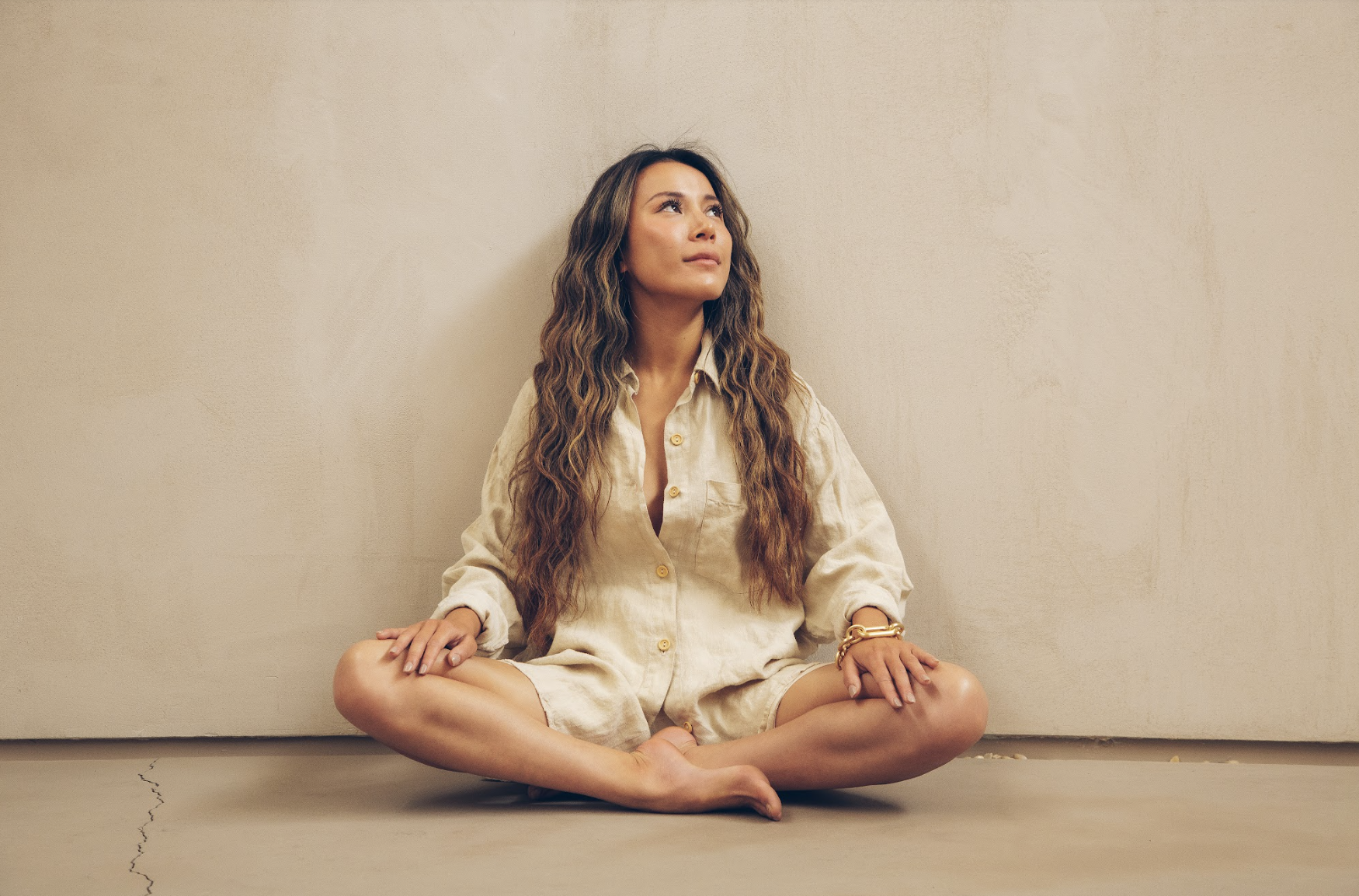
We spoke with our Founder and Creative Director, Hanna Li, about our approach to full-service interior design for California homes.
Q: How would you define California living in your own words?
A: People often describe California living through its climate: The sunshine. The palm trees. The ability to leave the doors open for much of the year.
Those things are true, but they aren’t what make California feel distinctly Californian. To me, California living is about possibility. The boundaries between inside and outside become less important. A breakfast slowly becomes a lunch. A conversation begins around the kitchen island and somehow ends beside a fire pit after sunset. Rooms aren’t simply occupied, they’re passed through — connected by gardens, terraces, courtyards, and light.
As a Los Angeles luxury interior design studio, we aren’t interested in recreating a style. We’re interested in creating homes that belong to their landscape. The architecture, the climate, and the people who live there should all feel as though they were always meant to exist together.
The best California homes don’t announce where you are. They simply make it impossible to imagine living anywhere else.
Q: What feels overdone or overrated in California interior design right now?
A: Design trends move faster than houses can.
For a while, every home seemed determined to become the same home: White oak. Bouclé. Limewash. Travertine. Everything carefully photographed. Everything slightly interchangeable.
None of those materials are the problem — the problem is when they become substitutes for personality.
We believe luxury interior design for residential should begin with people rather than Pinterest. A home should carry traces of its owners — their history, their routines, the places they’ve traveled, the books they’ve kept for twenty years, the art they’ve collected long before someone called it fashionable.
With this philosophy, trends eventually become memories and character becomes heritage.
Q: What makes your approach to full-service design different from other California-based studios?
A: Many California interior designers create beautiful rooms. Our responsibility extends much further.
At Hanna Li Interiors, full-service interior design means taking ownership of the entire experience, from early architectural planning and interior architecture to construction coordination, custom furniture, procurement, installation, and final styling.
The greatest difference isn’t the list of services. It’s the continuity that we bring. Every decision speaks to the next one. Materials support architecture. Lighting supports routines. Furniture supports conversation. Landscaping supports the experience of arriving home.
By the time the project is complete, it no longer feels assembled. It feels inevitable.
Q: If your client chose you over three other competitors, what do you think their deciding factor would be?
A: I hope it isn’t because we design beautiful homes. Many firms do. I think clients choose us because they feel understood.
Before discussing finishes or furniture, we spend time understanding how they want to live five or ten years from now. Their home becomes a reflection of their future rather than a collection of today’s preferences.
People recognize when someone is listening. Especially when they’ve spent months feeling unheard.

Q: What do you refuse to do in your projects?
A: We don’t design for photographs. We don’t chase trends simply because they’re popular. We don’t specify materials that will age poorly. And we won’t encourage clients to purchase something simply because it carries a recognizable name.
Luxury should never rely on recognition. It should rely on integrity. A beautifully designed California home should still feel honest and authentic twenty years from now.
Q: What does full-service interior design include at your studio?
A: Our full-service interior design process begins long before furniture arrives.
We collaborate with architects during planning, advise on layouts, review construction drawings, develop material palettes, design custom millwork and furniture, coordinate with consultants, manage procurement, oversee fabrication, conduct site visits, style the completed home, and remain involved through installation until the final artwork is placed.
Our clients don’t hire us for individual decisions. They hire us to protect the integrity of thousands of decisions made over several years.
Q: What parts of the process do clients not expect but end up valuing the most?
A: Most clients expect us to choose beautiful materials. That’s a given. What they don’t expect is how much time we’ll spend solving problems they never have to experience. This could be a delayed shipment quietly rerouted, a detail adjusted before construction begins, a cabinet redesigned because it would interfere with the way someone naturally reaches for a coffee mug each morning.
Much of our work remains invisible and that’s exactly how it should be.
Q: How involved are you in architectural, layout, and construction decisions?
A: From the beginning, the success of a home is rarely determined by its furniture. It’s determined by decisions made before the finishes arrive. As part of our interior architecture and luxury home design process, we collaborate with architects, builders, structural engineers, and landscape designers to ensure every decision supports the experience of living in the home.
When architecture and interiors evolve together, neither has to compensate for the other.
Q: Do you handle procurement and installation?
A: Yes, procurement is one of the least visible yet most demanding parts of full-service residential interior design.
Every piece of furniture, every custom light fixture, every fabric, hardware finish, plumbing fixture, and artisan-made object is tracked, reviewed, inspected, and coordinated through installation.
Clients often see the finished rooms.What they don’t see are the thousands of conversations required to bring them there.
Q: What problems are your clients facing before they hire you?
A: Most clients don’t come to us because they lack ideas, they come because they have too many: Pinterest boards. Saved photographs. Advice from contractors. Suggestions from friends.
Everything feels possible. Nothing feels certain. Our role is not to add more options, it’s to create clarity.
Q: What changes after working with you?
A: A home becomes calmer. Not visually — emotionally. There are fewer decisions waiting to be made. Daily routines become easier. Entertaining feels natural. The house begins supporting life instead of demanding attention.
What our clients really gain when hiring us is peace of mind.


Q: What does a successful project look like to you?
A: Not the photographs. Those happen in one afternoon. Success arrives years later. When children continue gathering around the same dining table. When natural stone develops a quiet patina. When oak floors remember decades of footsteps. When clients tell us they can’t imagine living anywhere else.
That’s when we know the design has become part of their life.
Q: How does California influence your designs?
A: California teaches restraint. The light already does so much work, and the architecture rarely needs to compete with it. The California landscape encourages openness, and the seasons are subtle enough that homes evolve gradually instead of dramatically. Materials weather beautifully.
Rather than imposing ourselves upon that environment, we try to listen to it.
Q: Do you design for indoor-outdoor living?
A: Always. Not because it’s fashionable. Because California makes it possible.
We think carefully about sightlines, thresholds, courtyards, terraces, outdoor kitchens, shaded seating, native planting, and how someone naturally moves through the property.
The transition from indoor to outdoor shouldn’t feel like crossing a boundary. Instead, it should feel like taking another stop.
Q: Are there specific materials or palettes you gravitate toward?
A: Homes become calmer when they belong to their surroundings.
Natural stone. Solid wood. Lime plaster. Bronze. Linen. Wool.
Materials that become more beautiful through use rather than despite it. We choose palettes that borrow from California itself—fog, sandstone, dry grasses, oak forests, coastal cliffs, and evening light.
Q: How do you approach sustainability?
A: As a full service interior designer, we believe that sustainability begins long before someone asks about recycled materials. The most sustainable home is one that people continue loving for generations. We prioritize craftsmanship over replacement. Timeless design over trends. Natural materials over disposable ones.
Whenever possible, we collaborate with local California artisans, preserve existing architecture, reduce unnecessary demolition, and design pieces intended to outlive us. Luxury interior design should always account for longevity and sustainability.
Because good design should leave behind memories, not waste.
Q: What are the key phases of your design process?
A: Every one of our full-service interior design projects follows a thoughtful progression:
Discovery. Vision. Interior architecture. Design development. Construction documentation. Procurement. Project management. Installation. Styling. Photography.
Although these phases appear sequential, they’re really conversations that continue throughout the life of the project.
Q: What budget range do your projects fall into?
A: Every home is different.
Some involve furnishing a completed residence. Others include extensive renovations, custom homes, or comprehensive architectural collaboration.
Rather than beginning with a number, we begin with ambition. A realistic budget allows us to build the right team, source exceptional materials, and create luxury California home design with value that extends far beyond its completion date.
Q: How long does a typical full-service project take?
A: Time depends on the complexity of the home. A furnishing project may unfold over several months. A complete luxury home renovation or custom home design often spans one to three years.
Good houses are rarely rushed. Like craftsmanship itself, they ask for patience. Through this considered process, we provide agility and expediency.

Q: What are common misconceptions about hiring a full-service interior designer?
A: People sometimes believe they’re paying someone to choose furniture. They’re actually hiring someone to protect years of interior decisions.
We coordinate architects, contractors, artisans, engineers, vendors, schedules, budgets, and countless details that rarely appear in photographs.
Beautiful rooms are only the visible result. The real work happens long before anyone walks through the front door.
Q: Are there recurring influences in your work?
A: Always.
Japanese craftsmanship. European architecture. California landscapes. Fine art. Cinema. Fashion. Traditional woodworking. Hospitality. Travel.
But influence is different from imitation. Every project should feel rooted in its own place rather than borrowed from somewhere else.
Q: How do you address your client’s initial concerns?
A: The first concern is almost always trust. Can this team understand us? Will we lose control? Will our home still feel like ours?
I remember one family who arrived with folders full of images collected over several years. They apologized before opening them. They worried they had too many ideas and no direction.
We spent the first meeting talking very little about design. Instead, we talked about birthdays, quiet mornings, the meals they loved cooking, the places they returned to whenever they traveled, and the rooms they remembered from childhood. By the end of the conversation, the photographs hardly mattered anymore. The house had already begun taking shape.
To read more of our design content, please visit our Journal Page.